Showing posts with label treats. Show all posts

“Just Say No” to Your Pet, Because You Love Them

By Julia Williams

Just as parents often have to say no to their children when they want things that aren’t good for them, so too do responsible pet owners. Children and pets are not always able to discern danger or consequences, and it’s our job to keep them healthy and safe. I don’t especially like saying no to my cats when they want something I know they shouldn’t have (such as more food or treats when they’ve already had plenty) but as a responsible pet owner I know I need to. Knowing it is one thing; actually doing it can require nerves of steel and an unwavering conviction that I am right, and the cats are wrong. Anyone who has a “foodie” pet knows exactly what I mean.

Our pets beg with insistent meows and loud barks. They look at us with pleading eyes that make us think they will just keel over unless they get more food or treats. They try to “guilt” us into caving in, because they want what they want, and have no thought other than getting it. Pets live in the moment; there is no rationalization we can give them for saying no. We just have to, because we know what’s best for them, and because we love them.

Therein lies the problem many pet owners face when it comes to rationing treats. We sometimes equate giving them the treats with love. It’s hard not to, because most pets love their treats like nobody’s business. There’s a lot of satisfied purring and excited prancing when my cats get their FELIDAE TidNips™ treats. It’s quite clear they relish these treats and would scarf down entire bagfuls at a time if I let them. How can you say no to that kind of enthusiasm? It’s quite difficult, and I admit that sometimes I falter. I try to rationalize with thoughts like, “Oh gosh, it makes them so happy!” or “Giving them treats lets them know I love them.” 

But as a responsible pet owner, sometimes no is the only acceptable answer. Rather than overfeeding my cats under the guise of “love” and wanting to make them happy, saying no to them actually means “I love you, therefore I am denying your request.” When they beg for more treats or more food, and I know they’ve had enough for today, then saying no means I love them enough to do what's right for them to be healthy.

I don’t mean to suggest that giving your pet treats is wrong. Far from it! Premium quality treats like those made by CANIDAE Natural Pet Foods can certainly be part of a healthy pet’s diet. The key is moderation, and factoring in the calories to guard against overfeeding and weight gain. A fat pet is not healthy or happy! Unfortunately, our pets will continue to beg for treats long after we know they’ve had enough. They therefore require us, their responsible pet parents, to put down the treats and walk away.

Oh sure, they will probably follow you out of the kitchen with a demeanor that clearly says, “Hey! Where are you going? I want more treats!” To which you can pat them gently on the head and tell them “I love you. You’ll get more treats tomorrow.” They may not understand this kind of tough love, but their bodies will thank you. And tomorrow, you can do the whole “treat dance” over again!

"Begging Cat" photo by Odd Bod

Read more articles by Julia Williams

We Love Treats!

Treats in the mail! Yippee!
Kelly and I want to give a big BOL Thank You to St. Louis Senior Dog Project for sending us these goodies! We recently won a contest, and couldn't be more delighted when our prize arrived. I got an awesome navy t-shirt and Kelly got some extra-delicious natural treats from Treats Unleashed . Wow, did she love them.


Let me tell you, these treats looked and smelled fresh from the bakery amazing. Here's Kelly sniffing them right through the envelope. (Kelly's on the windowsill where she sleeps most of the day. What does she think she is, a cat?)


I love the good work this place does. In case you're not familiar, the St. Louis Senior Dog Project is a non-profit organization to rescue dogs (of all ages, but especially 5 years old and up) and to promote the adoption of older dogs.
Here are a few of the senior dogs for adoption and check out their Dog of the Week blog.


How to Train Your Puppy to Obey Basic Commands


By Suzanne Alicie

Puppies are cute and cuddly, and generally out of control. One of the first things a new puppy needs is training in basic commands. Sit, Stay, and Lie Down are the most basics commands to teach a puppy. When it comes to training a puppy it is important to be firm and consistent. Puppies learn from consistency and repetition, and responsible pet owners know that proper training can turn a wild puppy into a well mannered dog.

Teach Your Puppy to Sit

Initially you will need to get down on your puppy’s level and help him sit. A gentle push on the haunches while saying “sit” to your puppy will help him get the idea. When your puppy sits upon command the first few times, be sure to reward him with praise and a treat. One of the things we do in our house is make the dogs sit while we prepare their food bowls. It is a ritual that helps even hyperactive dogs contain a bit of that energy and mind their manners when being fed. Sit is a common command and one of the easiest to teach, even a young puppy.

Teach Your Puppy to Stay

This is a command that is a bit more difficult to teach. Puppies tend to want to follow, because they simply want to be close to you. To teach this command initially, you don’t want to step away from the puppy and tell him to stay. The easiest way to teach a young puppy to stay is to use a treat. Since repetition is the key it may be easier on your puppy’s tummy to break treats into many pieces, or use smaller treats like the CANIDAE Snap-Bits™.

Place a piece of the treat on the floor in between you and your puppy. Tell him to stay and hold a hand in front of him so that he can’t reach the treat. Scoot the treat closer to him until it is right in front of his nose, while repeating “stay.” In time you will find that when you say “stay” your puppy will do so, but it takes repetition. Consistency is the key, as well as not overwhelming the puppy with too many commands to learn all at once. Concentrate on one act at a time.

Teach Your Puppy to Lie Down

Lie down is another simple command, and an easy transition from sit. Many times when your puppy is sitting if you tap the floor under his nose he will lie down to touch your hand. So once you have repeated this action several times, start to say “lie down” when you reach toward the floor. Before you know it your puppy will lie down as soon as he hears the words. Again, treats and praise along with the repetition and consistency will help your puppy learn the command quickly.

Puppies are loving and eager to please. If you begin training early and consistently, it should not be difficult to train your puppy to obey these basic commands, and then you can move on to other tricks. Puppies can learn just about anything you feel like taking the time to teach them, from sitting pretty to dancing, jumping and speaking.

Read more articles by Suzanne Alicie

Why Do Dogs Chase Cats?


By Ruthie Bently

Asking why dogs chase cats is like asking the age old question “which came first, the chicken or the egg?” Basically, like many things dogs do, chasing cats is instinctual and they’re hard-wired to do it. However, you’ll find anomalies in every purebred and mixed breed dog; some will chase cats, some won’t. If you have a hunting, working or terrier breed or mix, there’s a good chance they will chase cats, because they have a stronger drive to do so. Most terriers and even some hounds were used as ratters not that many years ago. Dachshunds were used for hunting badgers and were sent into holes after the badgers to route them out.

The instinct that our domestic dogs inherited from their wolf ancestors is their prey drive. This drive was necessary in the wild so a wolf pack could survive. A mother wolf hunts to feed her pups, and the pack hunts for survival of the fittest pups in the pack, as they are the future of the pack’s longevity. The prey drive causes a lone wolf to hunt anything smaller than itself.

A dog’s prey drive is motivated by movement; it can also be motivated by smell. Racing Greyhounds are trained to chase a mechanical rabbit. Lure coursers chase a scented bait across a field. Herding dogs chase the flocks they protect, nipping at their heels to get them to move. This is all controlled at their base level by the prey drive instinct. If a dog grows up with cats, while they may chase when playing with their feline roommate, they are not as apt to actively chase cats all the time. They may also defend their joint territory against strange cats that intrude in your yard.

If you want your dog and cat to get along, the first step is introducing them. Admittedly it is easier if one or both of them are young, because they are less apt to have preconceptions of what the other species is capable of. If you’re bringing a new puppy home, a good way to introduce them is to crate your puppy and bring the cat into the room the crate is in. If your cat isn’t disturbed by the appearance of your dog, sit on the floor in front of the crate with the cat in your arms and introduce them.

If the cat is unwilling, scared or too wiggly, you can put them in their carrier and set the carrier door facing the crate door, several feet apart. You still want to be nearby watching the interaction and have treats and praise on hand for both your dog and cat. If your dog barks or the cat growls, admonish them but do not punish them; they are just reacting to a new situation. If they behave well, praise them and offer treats to both. By using this method, your dog and cat can get used to the sight of each other without being able to reach each other.

The next step is to let them interact in a room under your supervision. Make sure the room you choose has an escape route for your cat. Make sure your cat’s toenails are trimmed before the encounter, a friendly swat on the nose is one thing, but sharp claws may make your dog re-think the idea of being friends. Put a collar and leash on your dog and put them on a sit/stay in the room.

Have another family member bring the cat in and put them on the floor near the dog. If your dog is calm, praise them and offer them a treat for their good behavior. If your dog rushes the cat or tugs on the leash, tell them “no” and put them back on their sit/stay. Repeat both stages of training several times a day and for the first several months if needed. If your cat is an indoor/outdoor cat, provide sanctuaries both inside and out where they can be away from the dog, because even friends need a break at times. Make sure to feed your cat away from the dog’s reach. A dog eating their food may irritate the cat and make his acceptance of the dog harder.

You can train an adult dog that has not grown up with cats to respect them as another member of your melded pack. I know, because I’ve done it. By having patience, understanding why your dog chases cats, and using the same method of training consistently, you too can have your own peaceable kingdom at home.

Read more articles by Ruthie Bently

Great Ways to Pamper Your Pet


By Julia Williams

My mother once informed me that my three cats were spoiled rotten. At first her comment irked me, but then I realized it was true. I also realized that there was absolutely nothing wrong with spoiling them! People who love their pets want to treat them in a way that makes the animal happy and enriches its life. Otherwise, what’s the point of having a pet? Besides, no amount of pampering could ever equal the amount of love and joy they add to my life.

Then too, what one person sees as pampering might seem like a necessity to another. In my frugal mother’s eyes, feeding my cats a premium food like FELIDAE® is a waste of money. However, I know that this high-quality, all natural food is worth every penny because it improves my cats’ health and extends their lives. So while she may think I “spoil” them with cat food that costs more than the cheap supermarket fare, this couldn’t be further from the truth.

Besides feeding your dog or cat good food, there are countless other ways to pamper your pet. Here are just a few:

1. Give them your undivided attention by petting and grooming them, talking to them and hugging them. While some people insist that cats are too independent to want or need attention, I have to disagree. I’ve had many different feline companions over the years, and not one of them was aloof or indifferent to my doting ways. It’s true that every cat has a distinct personality, and some enjoy the attention more than others, but they all enjoy it nonetheless.

The best thing about pampering your pet with attention is that it’s free. Dogs and cats that are petted and loved on a daily basis will be happier and better behaved. A gentle brushing of their fur is something almost every pet loves. Once a week, you could give your pet a soothing body massage, too. Don’t laugh – massaging your pet increases circulation and makes their coat shine – and most dogs and cats really seem to love it!

2. Pamper your dog or cat with a nice cozy pet bed. Since they spend the better part of their day sleeping (or at the very least, relaxing in a half-awake state), providing them with a comfy bed is really not so much pampering as it is a necessity. An added bonus for you is that a bed of their own keeps the pet hair contained to one primary spot. A heated pet bed is great if you have an older, arthritic dog or cat. They're safe to use, and the gentle heat will soothe their joints.

3. Dog sweaters and coats may seem silly and superfluous to some people, but many short-haired breeds do get chilly going outdoors in winter. For these dogs, a sweater or coat is not a fashion statement – it’s a practical way to keep them warm and dry.

4. Treats can be a great way to pamper your pet, provided you don’t overdo it. A fat pet is not a healthy pet, so give them treats only once in awhile, and make sure to factor the treat into their daily food allotment. Bits of plain cooked chicken or turkey, or freeze-dried liver, chicken and fish treats that have no additives or preservatives are the healthiest treats you can give your pet.

Homemade dog biscuits and cat treats are also healthy ways to pamper your pets, and they’re easy to make. I have two “pet recipe” books that I use, and there are some good recipes on the internet as well. If you'd rather buy your dog treats, try the SNAP-BISCUITS® made by CANIDAE®.

5. Toys are an inexpensive way to pamper your pet, and they can help them get some exercise, too. The nice thing about both dogs and cats is that they’re pretty easy to please when it comes to toys. In general, anything that keeps them safely amused instead of looking around for trouble, is a good toy to get.

The main thing to keep in mind is that pampering your pet should be all about what your pet likes, rather than what you want. And you don’t need to be able to speak "dog" or “cat” to tell the difference! Pamper your pooch or spoil your kitty with the things that make them happy, and you'll be rewarded with a lifetime of unconditional love and joy. In my eyes, that’s a pretty darn good trade.

Read more articles by Julia Williams
Deer Antlers: Tough Chews for Tough Dogs

Naturally shed deer antlers
100% organic - now for sale at i-pets.com

Male white-tailed deer (bucks) have antlers during spring, summer, and winter moths. The antlers naturally fall off, or "shed" in late winter, early spring, when mating season is over.

Antlers are made of dead bone - they are a great alternative to rawhide chews, especially for dogs who are aggressive chewers or who have a sensitive digestive system, disturbed by the fat and protein in rawhide chews.

Antlers on deer are bone material.

During growth they are covered with a skin that helps provide blood and nutrients to the antler.

When the antler growth stops due to testosterone-levels rising in the animal, the skin is rubbed off - this creates the colorization and "staining" of the antler.

The antlers carried by i-pets.com are "natural sheds," collected in the forests of Illinois. Deer have not been harmed to collect these antlers. Because they were gathered in the wild, we have washed them with a mild peroxide solution, just to be sure they are dirt and germ free.

Deer antlers are a clean, odorless, non-staining, non-greasy treat to keep active chewers busy. The antlers will not crumble or splinter and harm your dog.

In the wild, shed antlers are not around for too long - they are a favorite treat for wild animals - even squirrels and rodents love them because they are rich in minerals and calcium.

But not all dogs like antlers.

Just as some dogs aren't crazy about rawhide or pig ears, there are those who aren't attracted to antlers, either.

Because antlers are odorless, your dog might not be aware of their excellent chewability. Try rubbing on a little peanut butter or some beef juice left over from your steak dinner when introducing antlers for the first time.

As with all treats, please supervise your pet carefully, especially the first few times you're offering this new treat.

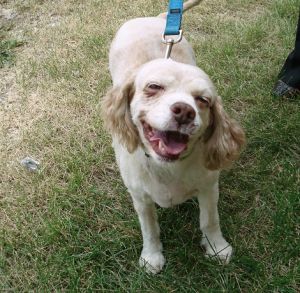
(Holly, pictured above, is a four-month old pup, who really, really likes deer antlers. She says they're much more enjoyable than the table legs she was chewing before.)

What recession? Our pampered pets are still living the good life


Americans continue spending heavily on their pets even as they have given up restaurant meals, vacations and new cars.

Even though job losses and foreclosures have forced some people to give up their animals, pet-related spending in the United States actually climbed by 5 percent from 2007 to 2008. Industry experts expect the numbers to rise again this year, to a total of $45.4 billion spent on food, supplies, medical care and animal purchases.

Though some consumers have scaled back on products such as accessories, American Pet Products Association President Bob Vetere said many remain choosy about what they feed their pets. The tainted-pet-food scares that killed dozens of animals in 2007 have led many consumers to buy higher-end brands. **

A survey conducted by BIGresearch, a market-research company, shows that 61.2 percent of people surveyed in December said they owned pets, up slightly from 59.4 percent the previous year.

Retail and animal experts say families staying home more may see getting a new pet — particularly one from a shelter — as a relatively low-cost investment that will reap benefits for years.

Source

** Obviously, great news for i-pets.com, where we continue to sell USA manufactured rawhide treats, free of chemicals and additives.

See what our happy customers say about i-pets.com.

Political Doggy Treats

Peanut butter & honey flavored political treats for your partisan canine!

The perfect gift for the politically savvy and the dogs who have everything.

Available as Democratic donkeys and Republican elephants.

$8.95 from Organic Doggy Kitchen

Organic Doggy Kitchen donates $1 from each bag sold through their online store to the Animal Welfare League of Alexandria .

Milk-Bone celebrates 100th Anniversary


Milk-Bone is looking for photos of memorable "Milk-Bone Moments" between dogs and their pet parents to celebrate 100 years of baking tasty dog snacks.

Enter your photo online at www.milk-bone.com, where 100 finalists will be chosen and America will vote for their favorite.

Just photograph a special moment between you and your dog, and you could win big bucks. The grand prize is a $100,000 contract to serve as the first ever Milk-Bone 100th Anniversary Spokesdog, plus a digital camera.

Halloween Eyeball Cupcakes

Yes, they have unleashed devilishly decorated spooky Halloween Eyeball cupcakes for all those crazy canines - original and spooky good! A wonderful soft treat any dog will love.

Pupperware, anyone?

One of the hottest new concepts in critterland is the home pet party, a gathering of animals and the people who are willing to open their wallets for them. The events are ringing up revenues for companies like Shure Pets, based in Chicago.

"The pet economy is on fire," says Andrew Shure, president and founder of Shure Pets.

"Our society is more affluent, people are marrying later and maybe not having kids, and they tend to treat their pets like their children," says Shure.

Shure launched his company in 2003 and has seen revenues increase every year, he says. Shure Pets has 1,600 "independent pet consultants" throughout the country, in all 50 states. "We're growing, though we're still a tiny company," he says.

On average, parties ring up about $400 in sales, says Shure, and consultants earn 25 percent commission. Party hosts earn credits toward merchandise.

Photo credit: Sacramento Bee/Autumn Cruz

Bush Biskit Dog Treats


Bush Biskit Dog Treats

Maybe it's time to sit your puppy down and have a serious talk about the facts. It's time you found out if your little bundle of unconditional love is a conservative, a liberal or a new fandangled progressive. Maybe you need to think twice about leaving Fido home alone to answer the never-ending stream of political phone surveys during the day!

Greenies dog treat lawsuit settled

The makers of Greenies, one of the nation's best-selling dog treats, have settled a class-action lawsuit claiming the teeth-cleaning product injured or killed close to a dozen dogs.

U.S. District Judge Gary Fenner on Monday agreed with a joint request to dismiss the case.

Alan Sash, who represented 10 dog owners against Kansas City-based manufacturer S&M NuTec, said the case was settled but the terms were confidential.

In their lawsuit, Sash's clients claimed S&M NuTec, the company that invented the treats, knew of the dangers Greenies posed for dogs but refused to adequately warn consumers or pull the treats from the shelves.

The company repeatedly said Greenies were safe when used as directed, which included buying dogs the correct size of treat and making sure the animal adequately chewed it and didn't gulp it down.

Still, the company changed the packaging of Greenies to make its warnings more visible and came out with a new formula late last year that it said was more digestible and designed to break down into smaller pieces during chewing.